Adrian Crismaru is the founder and CEO of Wiremo, a company that builds tools for Local SEO professionals and small businesses. With over 15 years of experience in SaaS and digital marketing, Adrian has founded and sold multiple successful projects, including HideIPVPN, CactusVPN, and Wiremo.
He specializes in Google Business Profile optimization and local ranking strategies that help physical businesses get more visibility, traffic, and reviews. Adrian is also the creator of GTrack, a Google Maps Rank Tracker used by agencies and business owners to monitor and improve their local search positions.
Through Wiremo’s products and his own research, Adrian focuses on simplifying Local SEO, automating Google review management, and helping businesses build trust online.
Expertise: Local SEO, Google Business Profile Optimization, Review Management, SaaS Development, and Marketing Automation.
Product reviews are no longer optional in eCommerce and app-based businesses. By now, almost everyone in the industry knows that displaying product reviews on landing pages can boost conversions and sales. What many businesses still get wrong is how those reviews are collected, managed, and displayed.
Quick Summary:
Anonymous reviews are still common across review platforms, but their credibility has dropped significantly. While anonymity protects privacy, it also increases fake reviews, reduces customer trust, and provides room for manipulation by competitors. Businesses in 2025 are advised to limit anonymous reviews and encourage real-identity submissions.
In 2025, customer reviews still play one of the most influential roles in consumer decision-making. Most online shoppers depend on reviews before choosing a product, visiting a local business, or committing to a service. Reviews help build social proof, provide transparency, and give customers more confidence about where they spend their money.
However, not all reviews carry equal weight. A review becomes powerful only when potential customers believe it is real and trustworthy. This is where the tension between anonymous reviews and credibility has become increasingly important. Though some platforms allow anonymous submissions, the question remains: Do anonymous reviews still help or harm your business?
What Are Anonymous Customer Reviews? (2025 Perspective)
Anonymous reviews are reviews submitted without displaying the real name, image, or identifiable details of the reviewer. While the reviewer may technically be logged in on platforms like Yelp, Google, Amazon, or Wiremo, their public identity remains hidden.
Many platforms have stayed flexible with identity requirements to encourage more user participation. Even in 2025, despite increasing concerns about online authenticity, customers can still choose to publish under pseudonyms or no name at all. On Wiremo, for instance, customers can go anonymous when leaving a review, which can help protect personal privacy and prevent retaliation in sensitive cases.
However, this flexibility comes with downsides. When accountability decreases, the likelihood of manipulation increases. Today, anonymity is often associated with:
Fake positive reviews are generated to boost ratings artificially
Negative attacks from disgruntled competitors
Exaggerated comments from anonymous trolls
Biased opinions without accountability
Unverifiable experiences
Why Do Some Customers Prefer to Remain Anonymous?
Top Reasons Customers Go Anonymous:
To protect privacy
To avoid retaliation from businesses
To freely express criticism
To avoid unwanted contact
To feel safer sharing negative experiences
Anonymity is not always a bad sign. Some users genuinely want to share their experiences but don’t want their names affiliated with the review for personal or safety reasons. This is extremely relevant for:
Service industries where retaliation has historically occurred
For these users, anonymity allows honest feedback without fear. But this must be weighed against the risks of reduced trust for the business.
Why Anonymous Reviews Can Damage Credibility
Consumers Distrust Reviews Without Identity
A recent U.S. survey involving over 3,000 consumers revealed:
63.1% support anonymous reviews
44.6% distrust anonymous reviews
While a portion of customers advocate for privacy, the lack of identity significantly affects how others interpret the review. When a review does not show a real name or profile photo, people wonder:
Is this person even real?
Is the business writing its own reviews?
Was this written by a competitor?
Is this review manipulated?
Anonymous Reviews Reduce Conversion Rates
2025 Trend:
E-commerce stores and local businesses that allow anonymous reviews see **10–25% lower conversion rates** compared to those with verified identities.
Customers want to know that a real person shared the experience. When identity is missing, the emotional trust connection drops. Shoppers hesitate. And businesses miss sales.
The Hidden Dangers of Anonymous Reviews
1. Increase in Fake Positive Reviews
Businesses sometimes attempt to boost their ratings by posting anonymous “customer” reviews. Because there is no verifiable identity, fake reviews can slip in easily, especially on smaller platforms without strong moderation.
2. Competitor Sabotage
Negative anonymous reviews often originate from competitors attempting to damage another business’s reputation. Since the reviewer is anonymous, proving malicious intent becomes extremely difficult.
Some anonymous users leave overly emotional, exaggerated, or unfair negative reviews simply because anonymity gives them confidence. These reviews can harm a business far more than constructive feedback with identifiable authors.
4. Loss of Customer Trust in the Review Section
If your review section contains too many anonymous comments, new customers may assume your business is manipulating reviews, even if those reviews are real.
5. Harmful Misinformation
Anonymous reviewers can spread false accusations or misleading information without consequences, making it harder for businesses to defend themselves or request corrections.
Why Authenticity Matters More in 2025
Consumer behavior has shifted dramatically in the last five years. With the rise of AI-written content, bot-generated reviews, and automated reputation tools, authenticity is now more valuable than ever.
Data Points (2025):
Real-name reviews receive 48% more upvotes
Consumers trust reviews with a profile photo 3× more
Verified purchase reviews convert 32% better
Shoppers spend more time reading reviews that show identity
In other words, customers buy from brands they trust, and identity builds trust.
Anonymous Reviews vs Verified Reviews (Side-by-Side)
Anonymous Reviews
Verified Identity Reviews
Lower credibility
High trust factor
Higher risk of manipulation
Difficult to fake
Often emotional or exaggerated
More thoughtful and detailed
Less impact on conversions
Boosts sales and confidence
Can damage reputation
Strengthens brand image
Should Your Business Allow Anonymous Reviews in 2025?
Short Answer: You can allow them, but we do not recommend enabling them as a default.
Wiremo continues to support anonymous reviews because they still serve a purpose in certain industries. But based on current data and marketplace behavior, businesses achieve better results with transparent, identifiable feedback.
Wiremo’s 2025 Recommendation
To maximize trust, conversions, and review quality:
Encourage real names whenever possible
Use verified purchase tags
Enable identity confirmation via email
Limit anonymous reviews to sensitive categories only
Moderate review sections for authenticity
Wiremo gives you full control over your review strategy, allowing you to balance privacy with credibility. While anonymous reviews remain available, the best long-term results come from transparent and authentic feedback.
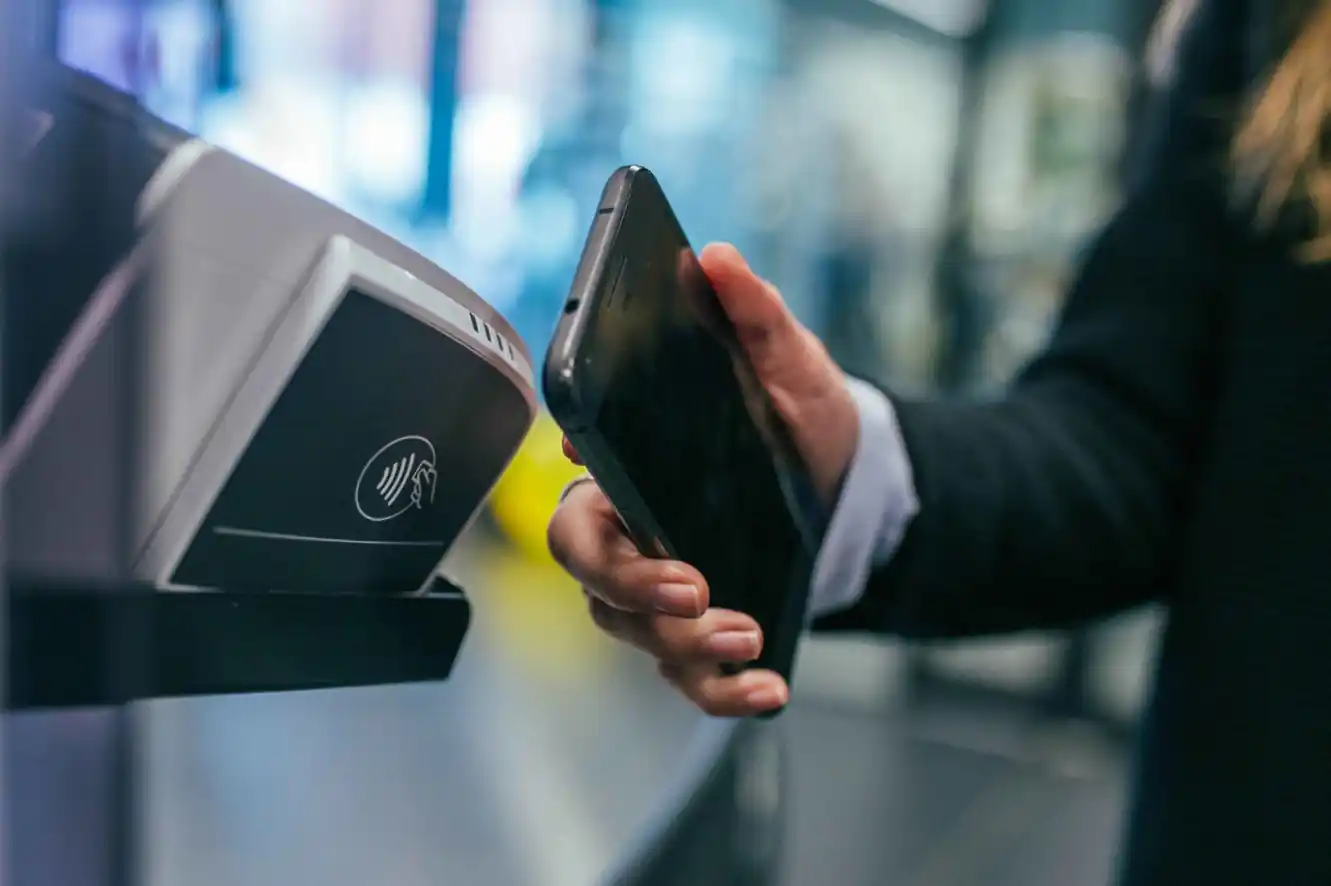
Building strong credibility as an online seller starts with choosing the right payment gateway for your Wix eCommerce store. Your payment provider directly affects security, checkout experience, customer trust, and conversion rates.
One of the most popular choices today is Wix Payments, Wix’s in-house payment processing solution. In 2025, Wix has expanded availability, improved fraud protection, and now supports more payment methods than ever before.
But is it the right payment gateway for your business? And is it better than PayPal or Stripe?
If you’re looking for a great locksmith app to help manage your business, look no further! In this blog post, we’ll display the top 5 great locksmith app Shopify list. With a Locksmith app, you can streamline your customer's shopping experience and protect your key products and analytics from competitors as well as display your exclusive listings to only to whom you want.
Customer reviews and feedback remain one of the most powerful forms of social proof for any online business. They shape how buyers perceive your brand, influence purchasing decisions, and determine whether new visitors trust your website enough to convert. In fact, studies show that nearly 80% of shoppers read website reviews before making a purchase, making them one of your most valuable conversion assets.
I know you’ve heard about the risks of an insecure website. But do you really know what a “Not Secure Website” means? Or why your browser shows a “Not secure” message next to some URLs?
TL;DR – What you’ll learn:
What “Not secure” means in your browser.
How an insecure website puts your business and visitors at risk.
Practical steps to fix a not secure website and protect your data.
In this post, we’ll walk through how to spot a not secure website, what it means for your visitors and your business, and the practical steps you can take to make sure your site is safe. We’ll also look at ways to ensure that your site is secure for your visitors.
Did you find a way to reward your loyal customers yet? The average customer is part of 15 loyalty programs, and more recent loyalty research shows that many consumers now belong to around 16–17 programs on average. This clearly points out that customers expect to be rewarded for their loyalty to your brand.
Can you hear that? Wedding bells are ringing, which means that the absolute chaos of planning a wedding is about to commence.
Wedding planning, in general, is very stressful, especially communicating with wedding guests and telling each one of them about the venue, the date, the time, and the existence of a gift registry.
However, technology has advanced, and this chaos can totally be avoided through a Squarespace wedding website examples.
Making a beautiful website for your future wedding is a terrific choice, but it must be attractive and have wonderful colors that draw viewers into your tale.
Drawing inspiration from people who have made remarkable wedding websites is one way to create a cutting-edge wedding website.
You can find many website examples in this article to use as inspiration.
You will discover one or two website examples that will inspire countless ideas and assist you in creating that beautiful wedding website for your lovely tale.
With Squarespace, you can easily create a customizable website with its pre-built website templates and drag-and-drop elements to create and modify webpages or hire a designer who brings your design to life and creates a website that best fits your aesthetic.
Creating or signing in with a Microsoft account gives you access to the Microsoft Rewards program, a free, global loyalty system that lets you earn points for simple everyday activities such as searching the web, browsing with Edge, using the Windows search bar, shopping in the Microsoft Store, and playing on Xbox. The program is optional, privacy-conscious users can opt out at any time, and your points can be redeemed for gift cards, Game Pass subscriptions, sweepstakes entries, digital content, and even donations to over a million nonprofits.
TL;DR Quick Summary:
Microsoft Rewards is a free loyalty program that offers points for everyday activities like Bing searches, browsing on Microsoft Edge, buying from the Microsoft Store, and playing on Xbox. Points can be redeemed for gift cards, Game Pass, sweepstakes entries, and charity donations. If you already use Microsoft products, it’s one of the easiest rewards programs to benefit from.
Instagram is one of the most powerful marketing platforms for e-commerce businesses and content creators. With more than 1 billion active users every month, understanding how to leverage Instagram hashtags effectively can significantly impact your reach and engagement.