A modern search engine is not only trying to rank websites. It is trying to rank the most trustworthy businesses and the most helpful answers. Customer reviews help search engines make that decision because they are public, continuous, and written by real people.
It’s widely estimated that review signals represent a meaningful share of local and organic ranking factors. That matters because reviews are one of the few SEO assets that keep updating even when your site content stays the same. If you ignore reviews, you ignore one of the most consistent signals search engines use to evaluate credibility and relevance.
Quick takeaway
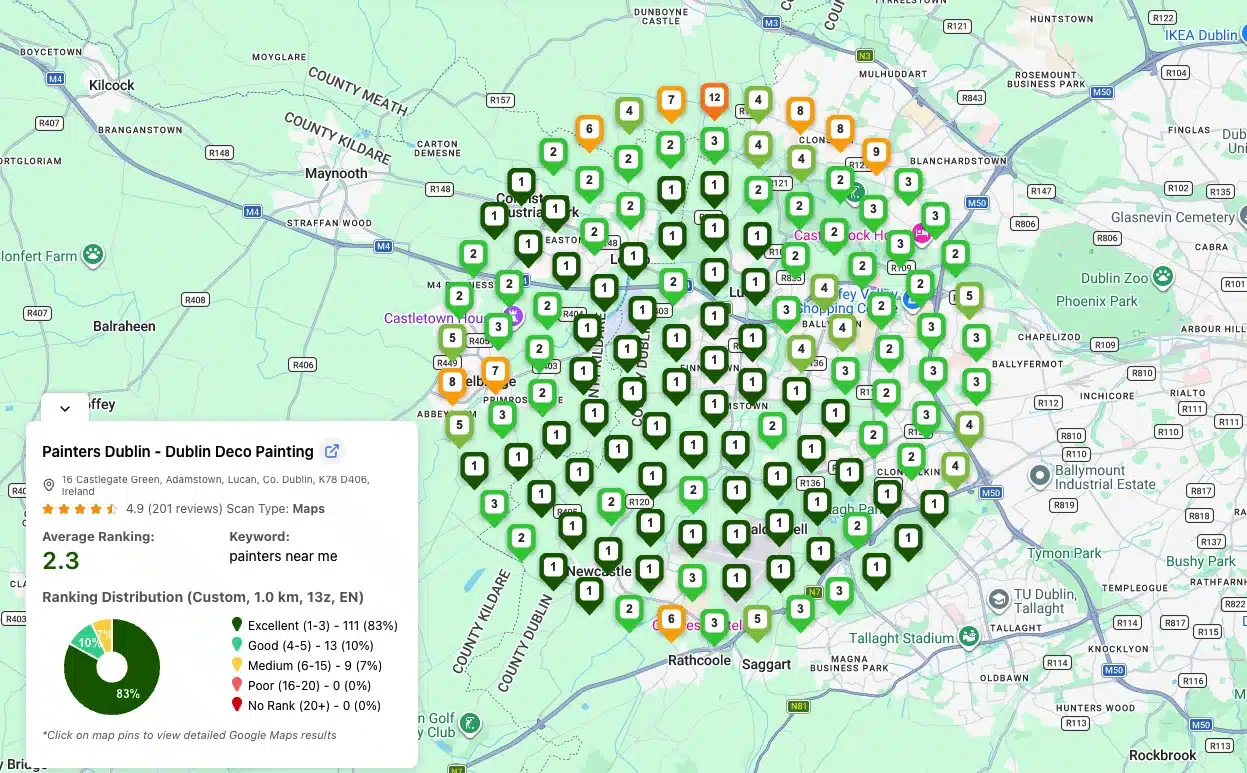
Search engines love reviews because they are fresh content, trust proof, and keyword-rich user language. This becomes especially visible in Google Maps rankings when you monitor performance with a Google Maps rank checker.

What a Search Engine “Sees” Inside a Review Profile
A review profile is not just star ratings. A search engine can extract multiple measurable signals from reviews, including activity, relevance, and trust indicators. If your goal is visibility in local results, reviews work together with a properly configured profile, so start with setting up your Google Business Profile for local SEO.
Common review signals search engines evaluate
- Review velocity (how often reviews appear)
- Review freshness (how recent the feedback is)
- Volume (total reviews across key platforms)
- Text depth (detailed reviews vs short comments)
- Sentiment mix (a realistic range of ratings)
- Keyword presence (service/product terms in review text)
- Engagement (owner responses and customer interaction)
- Diversity (reviews appearing across more than one trusted source)
For local SEO, Google’s ecosystem is a major driver. If you want the foundation right, fully completing your listing matters because it strengthens the context in which reviews are interpreted: how to fully complete your Google Business Profile.
Why Reviews Help a Search Engine Rank You Higher
Search engines prefer signals that are difficult to fake at scale. Website owners can edit their own pages, but they cannot easily manufacture authentic customer language over time. Reviews provide that “independent layer” of content that search engines treat as more trustworthy than brand-written text.
Why a search engine trusts reviews
Reviews are user-generated, continuously refreshed, and written in natural language. That makes them a powerful relevance and trust signal that can improve click-through rates and on-page conversions. If you want the complete breakdown, see the importance of Google reviews.
Reviews Create SEO Content Without You Writing It
A search engine rewards pages that stay updated and helpful. Reviews give your site ongoing content that reflects what buyers care about most. They also introduce real-world phrases that customers type into search.
For example, customers naturally mention details like pricing, service speed, delivery quality, staff behavior, specific product models, and location references. This expands your keyword coverage without forcing keywords into headings. That is one reason why reviews can support both organic results and local pack visibility.
Reviews Improve CTR and Trust From the Search Results Page
Search results are competitive. Even if you rank well, people still choose based on perceived trust. Reviews influence this by improving perceived authority and helping your listing stand out. A strong review presence can increase clicks because buyers trust businesses with real feedback.
Google Maps, Local Pack, and Reviews
Reviews matter even more when you are competing in Maps and local pack results. That’s because local rankings are strongly tied to trust, engagement, and proximity-based intent. If you want to understand this relationship clearly, read: Google Maps vs Local Pack.
Track review impact on rankings
If your reviews are improving but you are unsure whether rankings are moving, measure it. Use a GMB rank checker to see how visibility changes across a grid, not just in one location.
How to Turn Reviews Into a Repeatable SEO System
Reviews help most when they are consistent. A search engine prefers steady review activity over sudden spikes. That means the best strategy is building a predictable review collection system that runs year-round. If you need a playbook, start here: how to get more Google reviews from customers.
A simple review system that search engines like
- Ask after value is delivered (not instantly after payment)
- Use short prompts so customers write naturally
- Respond to reviews to show active engagement
- Keep review collection consistent every month
- Track local ranking changes to confirm impact
Final Thoughts
A search engine loves customer reviews because reviews provide what algorithms want most: freshness, authenticity, relevance, and trust at scale. Reviews also support conversions because they influence buyer confidence before the click and after the click.
If you want to improve visibility in Maps and local search, focus on review velocity, review quality, and response habits, then measure the results with a Google Maps rank tracker. Consistent review growth becomes a long-term ranking advantage that compounds over time.
Frequently Asked Questions About Why Search Engines Love Customer Reviews
1. Why do search engines care about customer reviews?
A search engine uses customer reviews as trust and relevance signals. Reviews reflect real user experiences and help search engines identify businesses that satisfy customers.
2. How do customer reviews influence search engine rankings?
Customer reviews contribute signals such as freshness, engagement, sentiment, and keyword relevance, which search engines use to evaluate visibility in both organic and local results.
3. Do reviews affect local SEO differently than organic SEO?
Yes. Reviews play a stronger role in local search and Google Maps results, where trust and proximity-based signals are critical ranking factors.
4. How many reviews does a business need to impact rankings?
There is no fixed number. Search engines value consistent review activity and recent feedback more than hitting a specific review count.
5. Does review freshness matter to a search engine?
Yes. Recent reviews signal ongoing activity and relevance, which search engines prefer over outdated review profiles.
6. Do customer reviews help with keyword rankings?
Yes. Reviews naturally include product, service, and location terms, which expand keyword coverage in a way search engines trust.
7. Are reviews on third-party sites important?
Yes. Reviews on trusted third-party platforms add credibility and help search engines validate a business beyond its own website.
8. Do star ratings influence click-through rates?
Yes. Visible star ratings in search results attract attention and often increase clicks compared to listings without ratings.
9. Can negative reviews hurt search engine rankings?
A few negative reviews do not hurt rankings. A natural mix of feedback often appears more trustworthy to search engines.
10. Does responding to reviews matter for SEO?
Yes. Owner responses show engagement and activity, which search engines interpret as a positive business signal.
11. How do reviews impact Google Maps rankings?
Reviews influence prominence and trust signals, which are key factors in Google Maps and local pack rankings.
12. Can reviews improve rankings without backlinks?
Yes. Reviews provide user-generated content and engagement signals that can support rankings even without new backlinks.
13. How can businesses measure review impact on rankings?
Using a local rank tracker or Google Maps rank checker helps measure visibility changes as review activity increases.
14. Are fake reviews risky for SEO?
Yes. Search engines actively fight review spam. Fake reviews can lead to trust loss or penalties.
15. What is the biggest SEO mistake businesses make with reviews?
The biggest mistake is ignoring reviews entirely or failing to collect them consistently over time.